
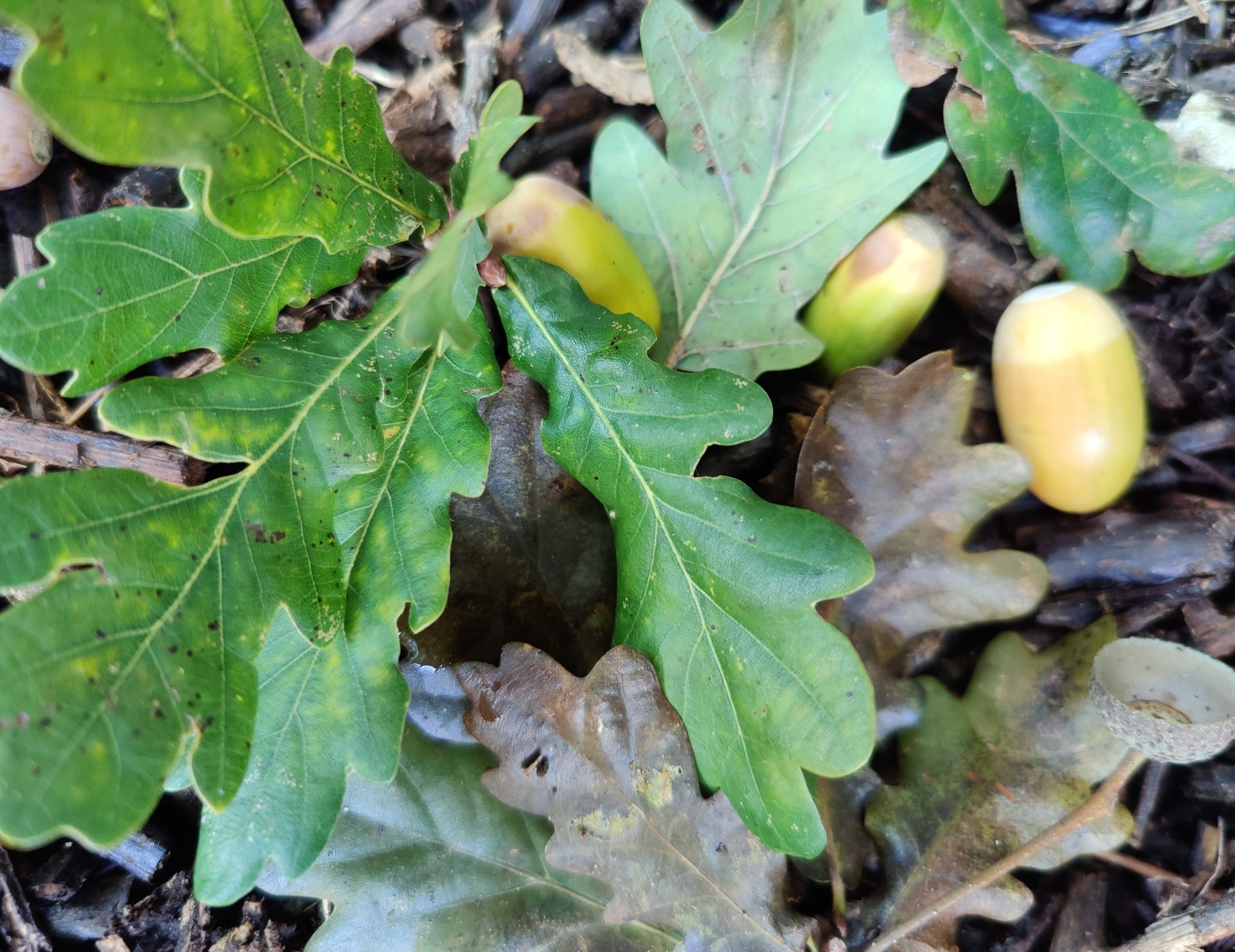
Meteorological Autumn starts every year at the beginning of September and, like the other seasons, extends over three months. Phenological Autumn is decided according to a range of signs, such as leaves falling or the migration of birds to warmer climates. And then there’s the astronomical start of Autumn or the Equinox, when the Earth’s tilt illuminates the northern and southern hemispheres equally so that the length of the day and night are more or less equal. This year (2023) the Equinox happens just before 7am on Saturday 23rd September with the sun setting just before 7pm on the same day.
I find the idea of Equinox a useful and hopeful one. It’s a moment balanced between two seasons and a reminder to look back as well as forward. As plant growth slows, the increasingly skeletal remains of perennials remind us of what’s been and gone: of the successes, disappointments, surprises or dramas. Whatever the story it’s a time to take stock and think about what we want for next year and how to achieve that.
As Autumn progresses there are still seasonal tasks that take us outside for a few hours here and there, like the planting of bulbs or the clearing of leaves. But while the shorter days and colder weather encourage plants to become dormant, the bare bones that are left create space for the metaphorical planting of seeds and the literal reshaping of our outdoor spaces.
If you’d like some help with an Autumn review so that you’re ahead of the game when it comes to the Spring Equinox, do get in touch – I’d love to hear from you!


